
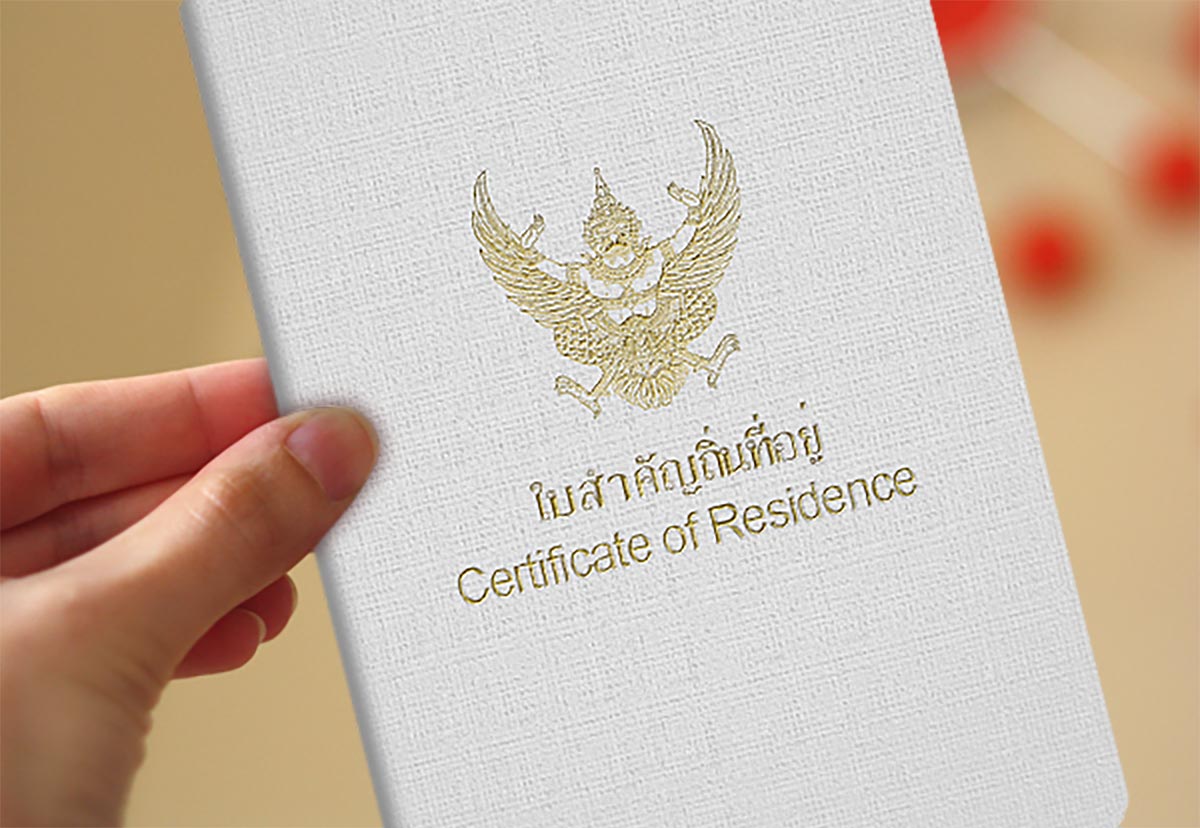
Thailand Permanent Residency (PR) is a highly sought-after immigration status that allows foreign nationals to reside in Thailand indefinitely without the need for annual visa renewals. While it does not grant Thai citizenship, permanent residency provides long-term stability, expanded legal rights, and a clearer pathway toward eventual naturalization. However, Thailand’s PR system is selective, quota-based, and procedurally demanding. This article offers an in-depth examination of Thailand permanent residency, including its legal basis, eligibility categories, application process, benefits and limitations, and practical considerations for prospective applicants.
1. Legal framework and policy objectives
Thailand’s permanent residency regime operates under the Immigration Act B.E. 2522 (1979) and related ministerial regulations issued by the Ministry of Interior and the Immigration Bureau. PR is granted at the discretion of Thai authorities and reflects policy objectives such as:
-
Attracting skilled professionals and investors
-
Supporting economic development and knowledge transfer
-
Promoting family unity
-
Encouraging long-term lawful residence and integration
Permanent residency is not an entitlement; approval depends on meeting statutory criteria and passing a discretionary evaluation.
2. What permanent residency means in Thailand
Permanent residency allows a foreign national to live in Thailand without time limits on stay. Unlike non-immigrant visas, PR holders do not need annual extensions. However, PR does not equate to citizenship and does not remove all immigration-related obligations.
Key characteristics of PR include:
-
Indefinite right to reside in Thailand
-
Registration in the Thai house registration system (blue book)
-
Eligibility for certain rights reserved for long-term residents
-
Continued classification as a foreign national
PR status may be revoked if conditions are violated.
3. Annual quota system
Thailand imposes an annual quota for permanent residency approvals. Generally:
-
Each nationality is subject to a maximum number of approvals per year
-
Applications are accepted only during designated periods
-
Competition can be significant for popular nationalities
Meeting eligibility criteria does not guarantee approval due to quota limitations.
4. Eligibility categories for permanent residency
Applicants must typically fall under one of several recognized categories.
Employment-based applicants
Foreign nationals who have worked in Thailand for a sustained period may qualify if they:
-
Hold qualifying non-immigrant visas
-
Earn income above prescribed thresholds
-
Pay Thai income tax consistently
-
Work in roles beneficial to Thailand’s economy
Professional stability and tax compliance are critical factors.
Investment-based applicants
Applicants may qualify through qualifying investments in Thailand, such as:
-
Investment in Thai companies
-
Government bonds or approved instruments
-
Real estate investments meeting statutory criteria
Investment must be lawful, verifiable, and maintained according to regulations.
Family-based applicants
Family ties to Thai nationals or permanent residents may support PR eligibility, including:
-
Marriage to a Thai citizen
-
Parent-child relationships
Genuine relationships and long-term cohabitation are closely scrutinized.
Expert or special contribution applicants
Individuals with exceptional skills or contributions in areas such as:
-
Academia
-
Science and technology
-
Culture or sports
may be considered under discretionary categories.
5. Core eligibility requirements
While requirements vary by category, common baseline criteria include:
-
Continuous residence in Thailand for a prescribed number of years
-
Holding qualifying non-immigrant visa status
-
Clean criminal record
-
Stable income or financial resources
-
Demonstrated integration into Thai society
Short breaks in residence may affect eligibility.
6. Application process and timeline
Submission period
Permanent residency applications are typically accepted once per year, usually toward the end of the calendar year.
Documentation
Applicants must prepare extensive documentation, which may include:
-
Passport and visa history
-
Employment or investment records
-
Tax filings and income statements
-
Police clearance certificates
-
Medical certificates
-
Family and civil status documents
All foreign documents must be properly translated and legalized.
Interviews and evaluation
Applicants undergo interviews assessing:
-
Language proficiency (basic Thai)
-
Understanding of Thai culture and society
-
Personal background and integration
Authorities evaluate both objective qualifications and subjective factors.
7. Approval process and discretion
After submission:
-
Applications are reviewed by the Immigration Bureau
-
Recommendations are forwarded to the Ministry of Interior
-
Final approval is granted by ministerial authority
The process may take one to three years, depending on complexity and volume.
8. Rights and benefits of permanent residency
Permanent residents enjoy several important benefits, including:
-
No requirement for annual visa extensions
-
Ability to be registered on a house registration book
-
Easier access to long-term leases and property transactions
-
Greater ease in obtaining work permits
-
Eligibility to apply for Thai citizenship after meeting additional criteria
PR significantly enhances long-term legal security.
9. Limitations and ongoing obligations
Despite its advantages, PR status has limitations:
-
PR holders remain foreign nationals
-
Land ownership restrictions still apply
-
Re-entry permits are required when traveling abroad
-
Certain political rights remain unavailable
Failure to maintain compliance may result in revocation.
10. Re-entry permits and travel
Permanent residents must obtain a re-entry permit before leaving Thailand. Exiting without one may cause loss of PR status. This requirement is often overlooked and is a major compliance risk.
11. Permanent residency and work authorization
PR status does not eliminate the need for a work permit, but it simplifies the process. Employers face fewer restrictions, and PR holders are not tied to the same visa-based limitations as non-immigrant visa holders.
12. Tax implications for permanent residents
Permanent residency does not automatically determine tax residency. Individuals spending 180 days or more per year in Thailand may be considered Thai tax residents.
Tax considerations include:
-
Personal income tax obligations
-
Treatment of foreign-sourced income
-
Application of double tax treaties
Professional tax planning is advisable.
13. Pathway from permanent residency to citizenship
PR is often viewed as a stepping stone to Thai citizenship. After holding PR for a qualifying period, individuals may apply for naturalization, subject to:
-
Language proficiency
-
Income and tax history
-
Cultural integration
-
Ministerial discretion
Citizenship is a separate and more demanding process.
14. Common reasons for rejection
Applications may be denied due to:
-
Incomplete or inconsistent documentation
-
Insufficient income or tax history
-
Criminal or compliance issues
-
Failure to meet quota constraints
-
Weak evidence of integration
Careful preparation significantly improves prospects.
15. Conclusion
Thailand permanent residency offers long-term stability and enhanced legal standing for foreign nationals committed to living in the Kingdom. However, it is a selective, quota-based status requiring sustained compliance, financial transparency, and meaningful integration into Thai society.
For those who qualify and are prepared for a lengthy application process, PR provides substantial benefits, including freedom from annual visa renewals and a clearer path toward citizenship. Strategic planning, accurate documentation, and a thorough understanding of regulatory expectations are essential to navigating Thailand’s permanent residency system successfully.
You might also enjoy

Thai Work Permit
A Thai work permit is one of the most important

Personal Data Protection Act
Personal Data Protection Act. The rapid expansion of digital commerce,

Thai Business Partnership
A Thai business partnership is one of the most commonly